The Aircraft Combat Survivability Education Web Site |
|
Recent Announcements Past Announcements |
 |
 |
|
 |
|
|
|
|
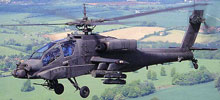
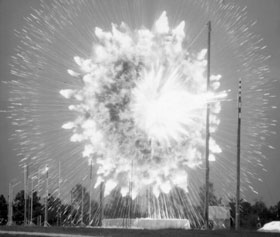
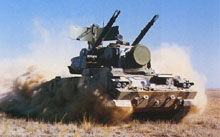
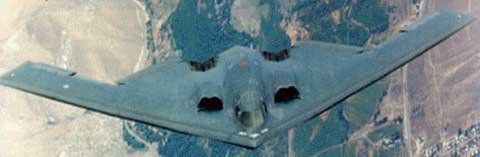
The aircraft combat survivability discipline is dedicated to enhancing the survivability and effectiveness of aircraft that fly in man-made hostile environments. As a result of the US military's experience in the Viet Nam conflict during the mid 60's and early 70's with aircraft that were not specifically designed to survive in combat, survivability is now a critical system characteristic for military aircraft. A viable, cost-effective technology for enhancing survivability is available, a methodology exists for assessing survivability, an extensive survivability infrastructure has been developed, testing for survivability is mandated, quantified requirements on the survivability of US military aircraft are routinely specified, and education in survivability is available. The fundamentals of the combat survivability discipline are applicable to manned aircraft, uninhabited air vehicles (UAVs), and guided/cruise missiles that fly in a man-made hostile environment, as well as civilian aircraft that may be attacked by terrorists. |
 |
|
This web site provides access to
|
|
| For more information about this site or aircraft survivability in general, please contact Robert E. Ball, Ph.D., Distinguished Professor, Emeritus Department of Aeronautics and Astronautics Department of Mechanical and Aerospace Engineering Naval Postgraduate School, Monterey, California Note: the Department of Aeronautics and Astronautics at the Naval Postgraduate School was closed in the Summer of 2003, and the educational program was moved to the Air Force Institute of Technology (AFIT) in Dayton, Ohio. |
|
|
| Last updated: 29 Feb 2012 Webmaster: reball@aircraft-survivability.com |
|
Disclaimer: The information presented herein does not represent official Naval Postgraduate School, Department of the Navy, or Department of Defense policies or positions.
|